
The secret language of color in film
Before you understand a single line of dialogue, you already know how you feel. Color got there first. It’s cinema’s oldest language, and almost no one reads it aloud.
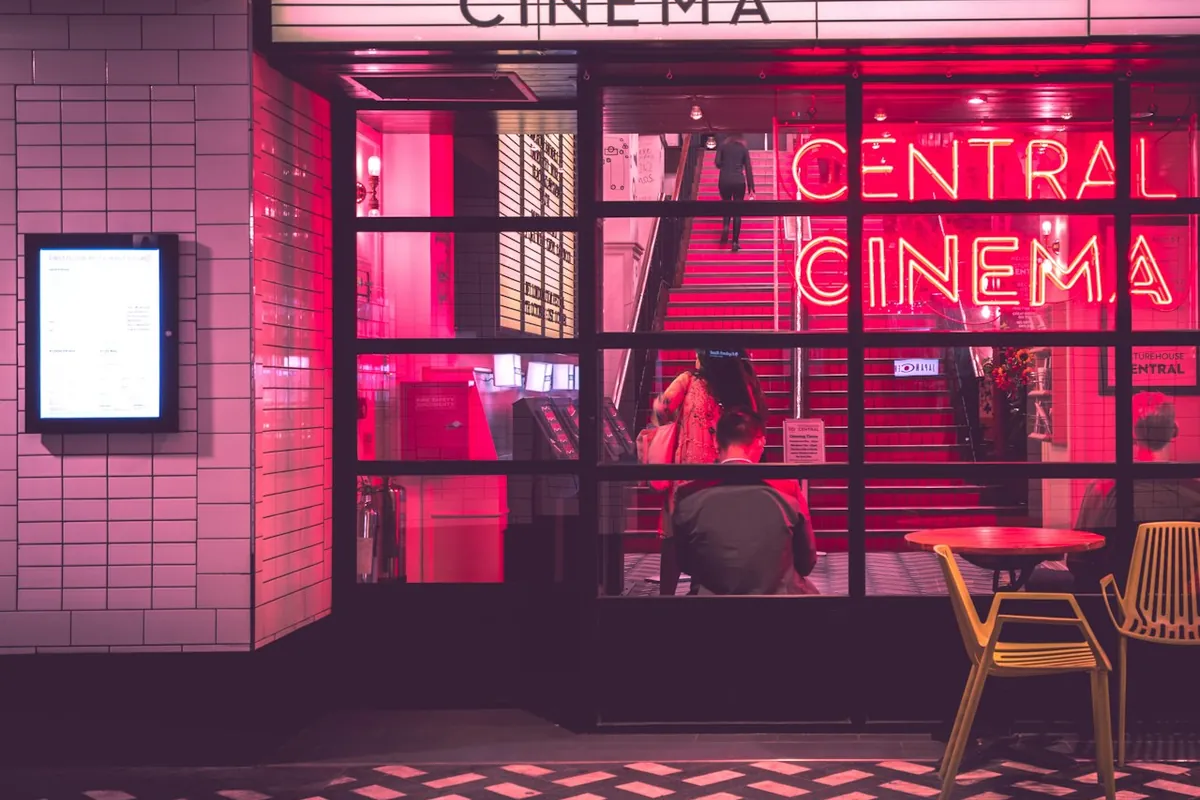
Color is one of the most powerful motivational axes: it doesn’t move the plot, but it decides your mood. A director chooses a palette the way a writer chooses the tone of a sentence. And once you learn to notice it, films become twice as rich.
Blue: distance, cold, loneliness
Blue pushes away. It’s used for sadness, soulless technology, night, clinical death. When a scene drifts into cool tones, something is almost always being lost or someone is being left alone.
Amber and gold: memory, warmth, home
Gold is the color of memory and safety. Films tint happy flashbacks and warm homes in amber. (It’s no accident this very studio breathes in noir and gold: gold promises something valuable awaits you.)
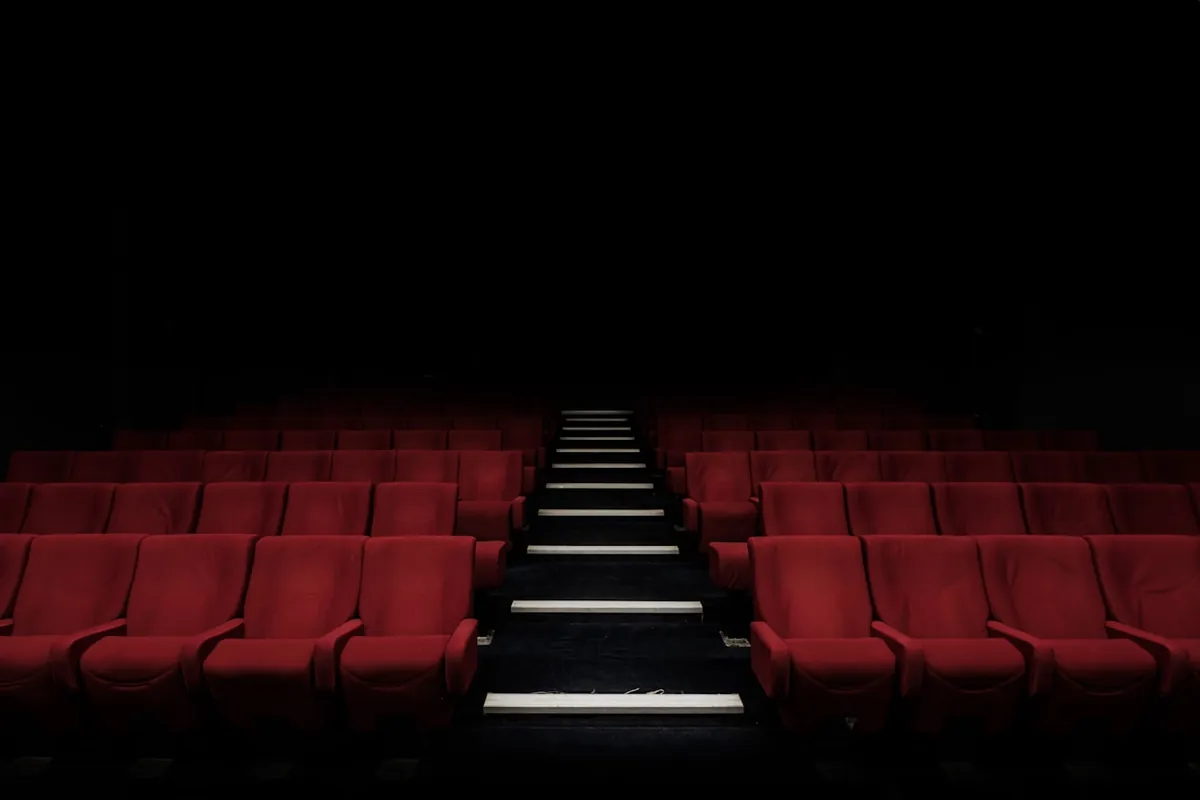
Red: desire, danger, life
Red is the color the human eye processes fastest. That’s why it marks what matters: a passion, a wound, a threat. A single red object in a gray frame drags your gaze without you noticing.
Color doesn’t decorate the scene: it interprets it before you do. Learning to read it is hearing what the film thinks under its breath.
The contrast trick
The most interesting thing isn’t one color, but the clash between two. The famous “orange and teal” of so many blockbusters sets warm human skin against cool backgrounds so characters pop off the frame. Once you see it, you see it everywhere.
Next film you watch, name the dominant color of three different scenes and ask what emotion each carries. It’s one of the symbolism exercises we teach in the concepts manual.