
Sound in film: how music and silence manipulate you
Close your eyes during a film and you’ll still know when to be scared. Sound is cinema’s invisible collaborator: it works in secret and almost never gets the credit.
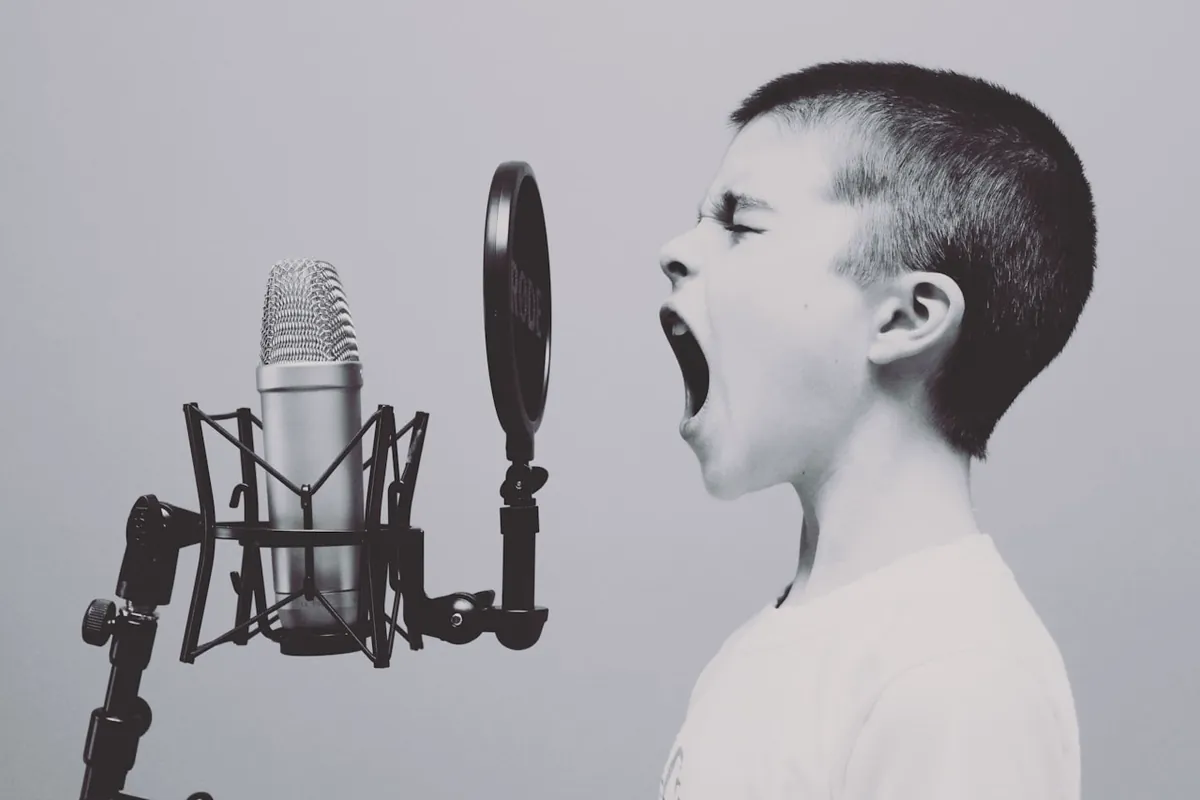
A thought experiment: picture the shower scene from Psycho without those shrieking violins. It loses half its terror. Now picture a comedy with horror music laid over it: it turns frightening. The image didn’t change; what you heard did. That’s the power of sound, one of the most underrated motivational axes.
Music tells you what to feel
The score is the film’s emotional compass. A major chord promises hope; a minor one, sadness; a crescendo, that something big is coming. Often the music arrives before the visual information: you’re already moved by the time you understand why.

Effects build a believable world
Footsteps, rain, a creaking door: sound design manufactures the feeling that this world exists. Curiously, almost none of it is real; much is recorded separately (so-called foley). The brain accepts the trick because it sounds true.
Audiences remember the images, but they feel with their ears. The best sound is the one you never notice: you only miss it when it’s gone.
Silence is the secret weapon
Removing sound is a choice too. A sudden silence before a hit makes it explode; a long silence leaves us alone with a character. In cinema, going quiet is a way of shouting.
Next time, watch a tense scene twice: once normally and once muted. You’ll notice how much work the audio track was doing. It’s one of the fastest exercises to sharpen the analytical ear — and it connects with the narrative temperature we study in the manual.