
Analysis
Analysis of The Matrix
The Matrix disguises a philosophical allegory about freedom and reality as action; a perfect hero’s journey wrapped in cyberpunk style.
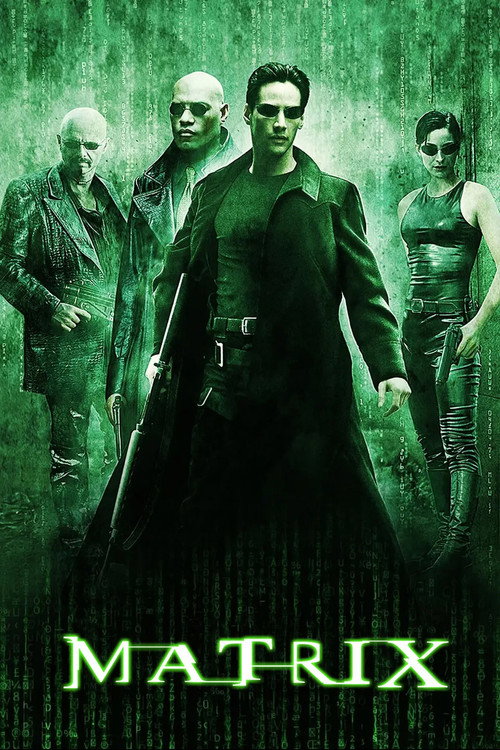
- Directed by
- Lana y Lilly Wachowski
- Year
- 1999
- Country
- United States
- Rating
- 7/7 · Excellent
Synopsis
Neo, a programmer who senses something is wrong with the world, discovers that reality is a simulation created by machines to enslave humanity. Guided by Morpheus and Trinity, he accepts his role as “the One” and learns to bend that reality’s rules to free others.
Conflict and characters
The conflict is both external (humans versus machines) and internal (Neo must believe in himself). His superobjective evolves from “understanding what the Matrix is” to “accepting who he is”. Agent Smith is a perfect antagonistic force: the system made person.
Narrative structure
The structure is a textbook hero’s journey: call, mentor, threshold (the red pill), trials, death and literal resurrection. That mythic clarity, beneath the futuristic surface, is why it grips so hard.
Symbolism and themes
The red and blue pills are already a cultural symbol of choosing the uncomfortable truth over the comfortable lie. Mirrors, names (Neo is an anagram of “One”; Trinity; Morpheus) and the “desert of the real” weave a dense layer of philosophical and mythological references.
Global interpretation
The Matrix revolutionized action cinema with its “bullet time”, but its greatness is that form serves idea: every effect illustrates the theme of bending reality. Its underlying context — doubting what we’re told is real — has only grown more relevant over the years.
Premise
Being free begins with daring to see the uncomfortable truth, even if it shatters the comfortable world we lived in.
Technical data and poster via TMDB. This product uses the TMDB API but is not endorsed or certified by TMDB.