
Analysis
Analysis of The Godfather
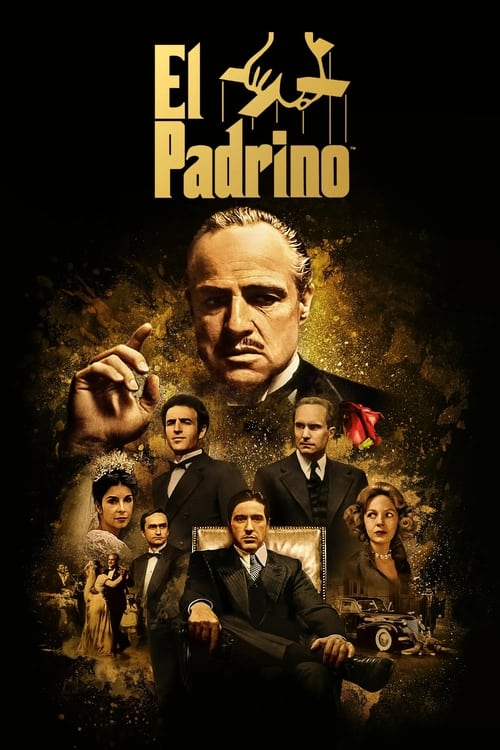
The Godfather is the tragedy of a man who damns himself to save his family; an opera of power where every dark frame foretells the loss of a soul.
- Directed by
- Francis Ford Coppola
- Year
- 1972
- Country
- United States
- Rating
- 7/7 · Excellent
Synopsis
Michael Corleone, the son who wanted to stay out of his family’s criminal business, is dragged into it after an attempt on his father’s life. To protect him, he commits his first murder and, step by step, transforms into the family’s new, ruthless boss.
Conflict and characters
The central conflict is internal: Michael’s struggle between the legitimate man he wanted to be and the monster family duty demands. His superobjective — to protect the family — is noble; the price he pays, terrible.
The true antagonistic force is internal: it isn’t the enemies who undo them, but their own capacity to justify each crime in the name of love.
Narrative structure
The structure is a linear tragic descent, punctuated by two great parallel-editing sequences: the final baptism, where Michael renounces Satan while ordering his rivals executed, is one of the peaks of editing in film history.
Symbolism and themes
Light is the symbolic system: the Corleones live in amber gloom, and darkness swallows Michael’s face as he corrupts. Oranges foreshadow death in nearly every scene they appear. The door that closes in the final shot seals his damnation.
Global interpretation
Coppola elevates a gangster story into a classical tragedy about power, loyalty and evil. Everything — cinematography, music, performance — serves one theme. Its underlying context is the American dream read as a Faustian bargain. A near-flawless masterpiece.
Premise
Whoever justifies every crime in the name of family ends up losing the very thing they claimed to protect: their soul and their family.
Technical data and poster via TMDB. This product uses the TMDB API but is not endorsed or certified by TMDB.