
Analysis
Analysis of The Avengers
The Avengers solves an enormous narrative challenge — uniting five heroes with clashing egos — with craft and humor; a model blockbuster in structure, if light in depth.
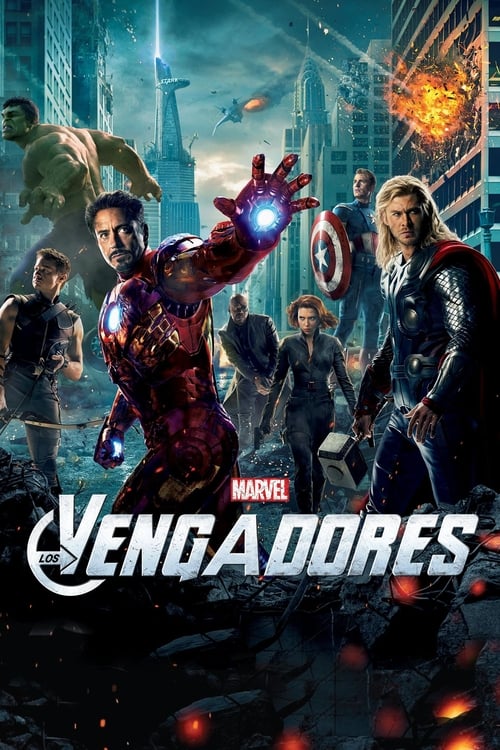
- Directed by
- Joss Whedon
- Year
- 2012
- Country
- United States
- Rating
- 5/7 · Good
Synopsis
When the god Loki steals the Tesseract and opens the door to an alien invasion, the agency S.H.I.E.L.D. gathers a group of incompatible heroes — Iron Man, Captain America, Thor, Hulk and others — who first clash with one another and then must learn to act as a team to save New York.
Conflict and characters
The conflict has two layers: the external (stopping Loki) and the group’s internal one (egos that can’t cooperate). The collective superobjective is to protect the world; Loki is a charismatic antagonistic force whose plan, in fact, is to provoke that very unity.
Narrative structure
The structure is a textbook model of the “assemble the team” story: introduction, friction, a crisis that forces them together (Coulson’s death) and a final ensemble battle. The temperature rises precisely toward the New York climax.
Symbolism and themes
The circular shot of the six heroes assembled has become a cultural symbol of teamwork. The Tesseract works as a sign of the power everyone covets, the engine that sets the plot in motion.
Global interpretation
As spectacle and as script engineering it’s exemplary: it balances five leads without losing any of them, with snappy dialogue and humor. Its underlying context is light and the formula is commercial, but it’s top-tier entertainment and a case study in how to build an ensemble film.
Premise
The greatest threats aren’t beaten by the strongest hero, but when egos learn to yield and act as one.
Technical data and poster via TMDB. This product uses the TMDB API but is not endorsed or certified by TMDB.