
From the Lumières to your couch: a brief history of how we watch films
The way we watch a film changes what we see in it. A quick ride through cinema’s time machine, from the first screening to the automatic “next episode”.
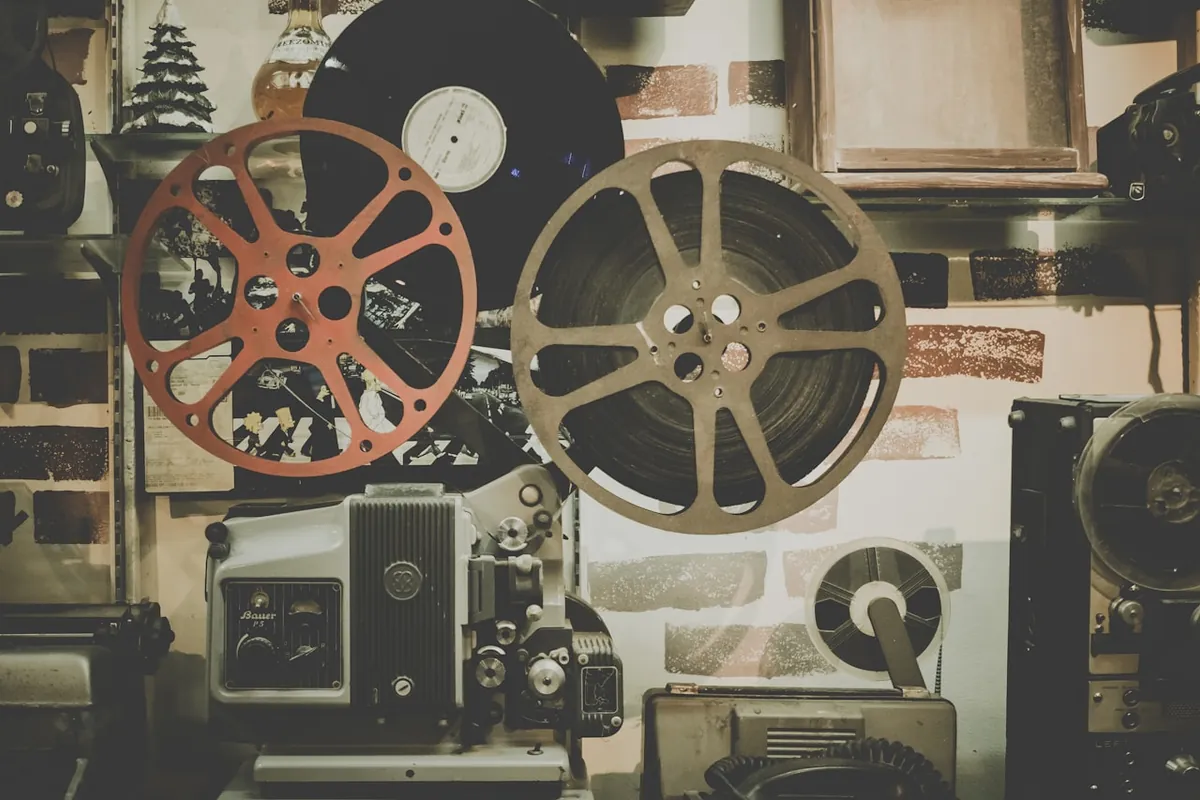
Legend says that in 1895, watching the Lumière brothers’ film of a train pulling into a station, some viewers flinched away in fear. True or not, the anecdote says something huge: nobody yet knew how to watch a film. We had to learn it, and we’re still learning.
The temple: the dark room
For a century, watching cinema was a collective ritual. A darkened room, a giant screen, strangers sharing the same scare and the same laugh. That voluntary confinement is what makes narrative temperature possible: with no escape, the tension reaches you.
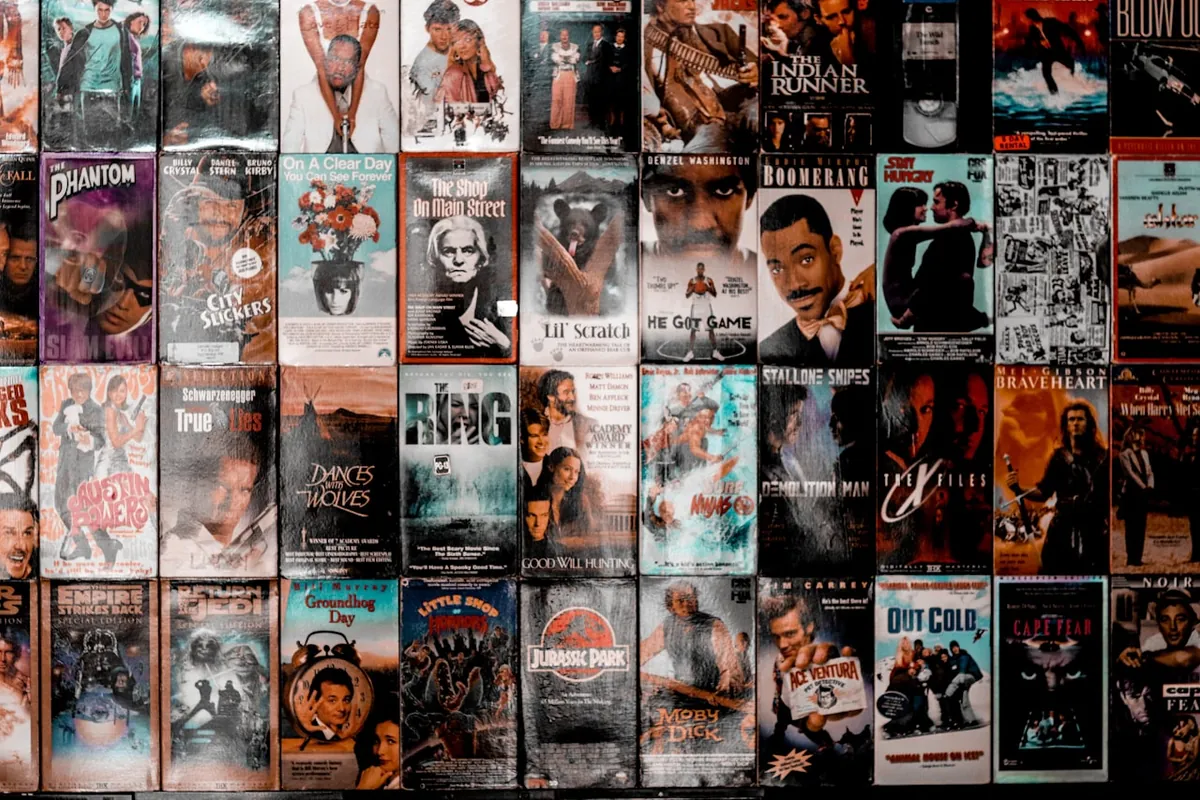
The home: VHS and the remote control
Then the film arrived in the living room. With VHS and DVD we gained a new power: pause, rewind, replay. For the first time you could study a scene frame by frame. It’s no accident that film analysis went mainstream right then: the tool came home.
The pocket: streaming and infinite screens
Today we carry all of film history in our phones. We gained unlimited access and lost some ceremony: we half-watch, with notifications, with “next episode” nudging us along. The interesting question isn’t whether it’s better or worse, but what kind of gaze each era manufactures.
Every technology taught us to watch differently. The theater taught us to surrender; the remote, to analyze; the phone, to choose. Today’s challenge is not to forget all three.
That’s why analyzing cinema is a little act of resistance: choosing, deliberately, to watch slowly. If you want to recover that attentive gaze, try taking a single film and walking through it with the analysis guide. The technology changed; the pleasure of understanding a film did not.